
Why Authors fail and stories fall apart: The problem with endings.
By Luck (Author of Phenomena)
Ending a series now more than ever seems to be a problem for a lot of authors, professional or not. Fictional stories mean a lot to people, and when they invest in them, there are expectations to be met and delivered on, even if it might be difficult. These stories are a way people try to cope with or escape from reality, even if it’s for a brief moment, maybe even look for answers and hope.
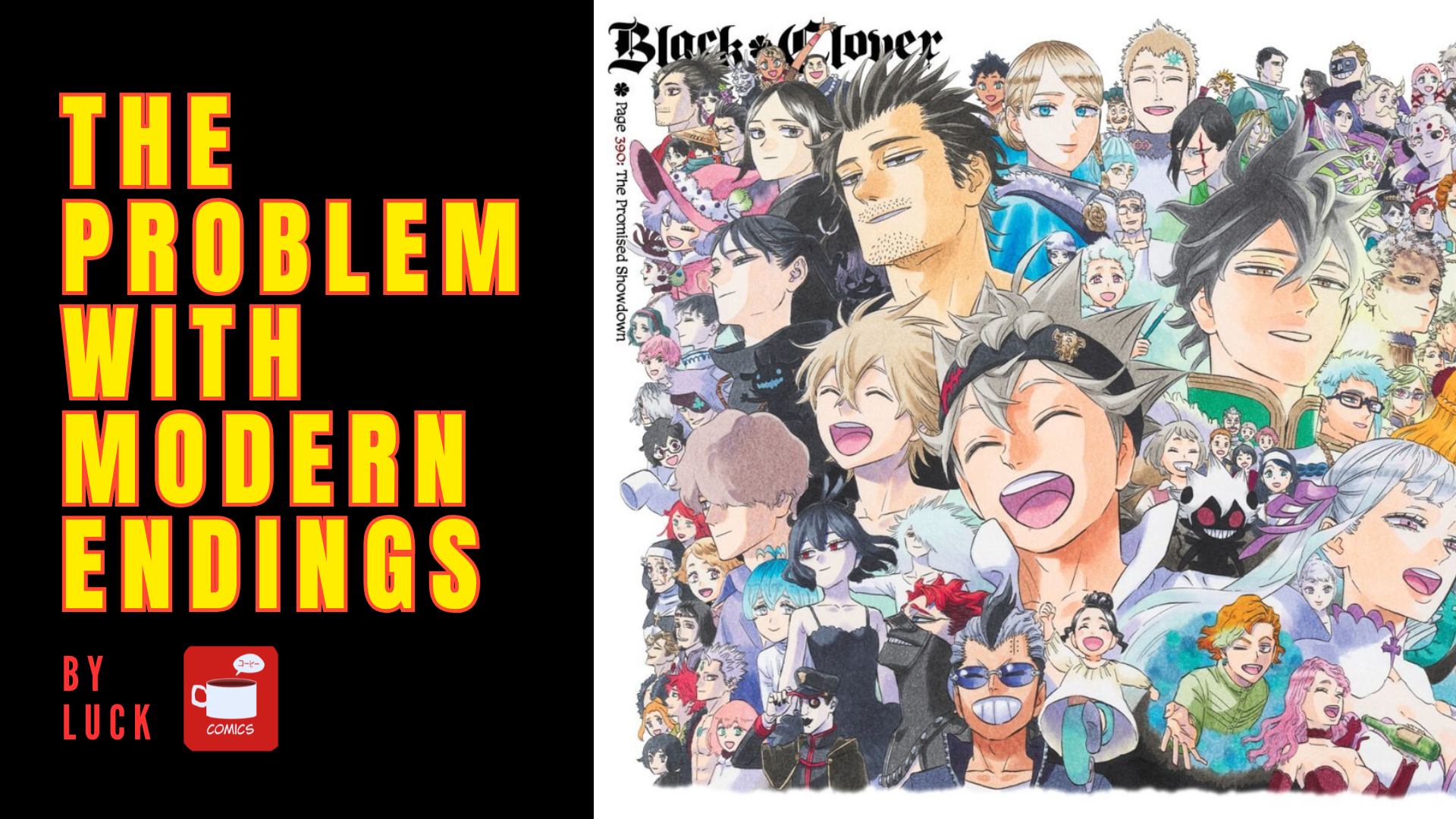
From Naruto becoming Hokage to Ichigo protecting his friends and family, Asta becoming the Wizard King, or Deku, promised to become the greatest hero, a symbol of hope, most stories, especially of the Shonen demographic, start with these seemingly overwhelming goals that the protagonists set out to accomplish within certain circumstances that make us not help but wonder how they’ll go from grass to grace. We wonder, we’re intrigued, and we hope to learn a thing or two from these characters so we ourselves can develop, overcome our weaknesses and challenges, and reach for greater heights. That’s why it hurts when these promises aren’t delivered upon in the guise of trying to be ‘realistic’ or ‘ unpredictable ‘.
If we need to stick so much to reality, there’ll be no need for fictional stories to begin with. Why get reminded of the pain we live through? What’s the point? Why lead us further into despair? No one needs that. We humans are in an endless struggle to succeed. We need to see characters, watch heroes succeed, and learn what we can from them. Stories have the power to change human lives; they cannot be underestimated in this regard.
When an author fails to deliver on the promises they made, it doesn’t matter what happened anymore; the peaks of the story are all for naught, no matter how fun the ride was, it’s all pointless if you crash and die. So what to do? How do you actually write a good ending?
There are a lot of ways to satisfy at least a majority of the audience with an ending. But I ultimately think an ending to a story needs to do either of two things: allow a protagonist to achieve their goal even if there are sacrifices paid, or lead them to a ”better” alternative, something more fulfilling than what was originally set, even if it’s more grounded or even if the protagonist doesn’t make it to the end. Tragic endings can still be good if executed well.
It’s ok to settle for less or a simple yet satisfactory conclusion if it wasn’t promised otherwise in the beginning, and if that’s what the character & story development, as well as themes, led to when we look back and track how an ending came to be. It’s important for our heroes to ‘Win’ and win in a way that tracks with everything the story has set and done. Endings should feel earned, meaningful and inevitable in hindsight and problems such as character inconsistencies, theme drifts and uncontrolled story/ narrative growth, should be avoided as much as possible all the way through.
Ultimately, remember to hit the nail on the head. You need to know how it ends, how you aim to deliver even as you begin or are in the earlier stages of your story, because in the end, after all is said and done, no one wants excuses; we need to see work get done.


Monthly Gag: The New Recruit
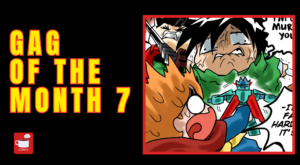
Monthly Gag #7: The Action Figure